Scientific techniques for pain relief during tattooing
One of the biggest and most frequent concerns of clients is the pain of getting
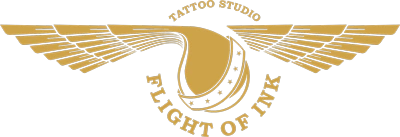
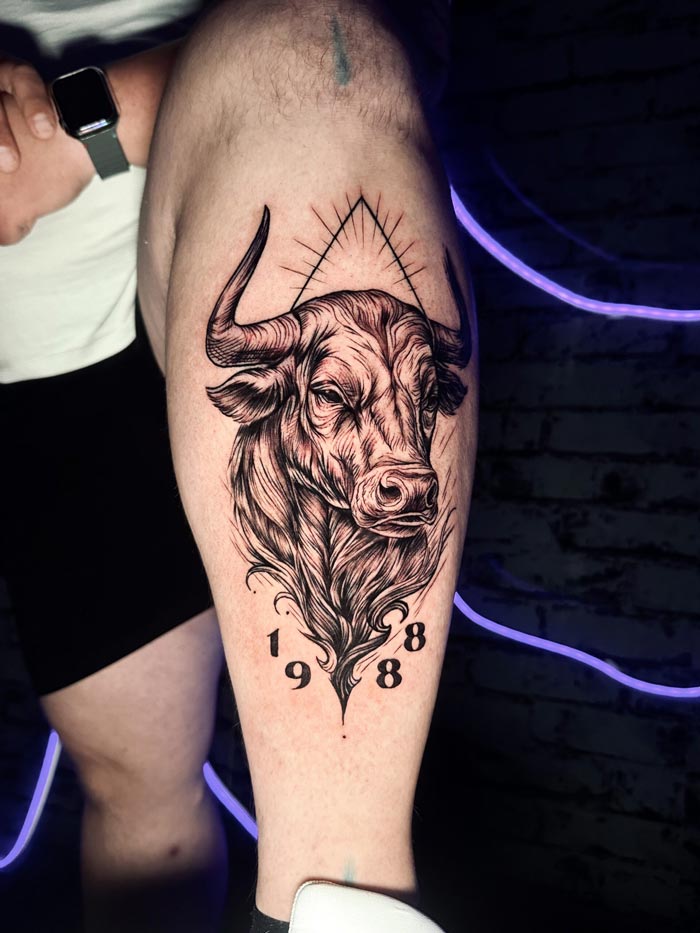
A tattoo is a work of art on the skin. During the tattooing process, needles repeatedly pierce the upper layers of skin so that the ink is fixed in the dermis. After this controlled injury, the skin immediately begins the healing process – and this is precisely where the right tattoo cover plays a crucial role in protection, healing, and color retention.
From a medical perspective, a fresh tattoo is considered an open wound. It requires careful aftercare. One of the most important aspects of this aftercare is the correct selection and application of a protective cover. A correctly applied cover supports healing, protects color intensity, reduces the risk of infection, and prevents the ink from bleeding – a quality standard expected in a professional tattoo studio in Innsbruck.
Incorrect application or outdated, unscientific methods, on the other hand, can seriously damage the tattoo and the skin.
At Flight of Ink Studio Innsbruck, aftercare is an integral part of the quality of our work.
In this article, I explain the correct application of Tattoo Trim and Saniderm and share essential aftercare tips.
After getting a tattoo, many microscopic punctures are made in the skin. Plasma and wound fluid leak out. At the same time, the skin reacts with local inflammation and increased sensitivity to germs.
Without protection, the following problems can occur:
A suitable covering forms a protective barrier. It protects against external influences and allows the skin to breathe in a controlled manner.
Saniderm is a sterile, medical-grade, transparent, and flexible protective film. It is used for superficial wounds and tattoos.
Saniderm:
Unlike conventional foil, Saniderm does not block the skin’s ability to breathe. It creates a balanced healing environment.
Our experience at Flight of Ink Studio Innsbruck shows that, when applied correctly, lines remain clearer and the skin heals more evenly.
Many customers ask this question.
The recommended wearing time is 5 to 7 days, provided that no large amount of fluid accumulates under the film. During this time, the skin can safely complete the initial healing phase.
However, if a large amount of plasma, wound exudate, or ink accumulates under the film, Saniderm must be removed immediately because:
Note: A large amount of fluid under the film is not a good sign, but a warning signal.
Incorrect removal can damage the protective layer of skin and pull out the ink. Therefore, the technique is crucial:
The goal is gentle removal without stretching the skin and without damaging the tattoo.
Standard cling film is considered outdated from a hygienic and medical perspective, but unfortunately, it is still in use.
Disadvantages:
Exception: For very short periods, such as the journey home from the studio, cling film is acceptable. It is not suitable for long-term coverage.
Tattoo Trim is a modern method of initial tattoo care. It uses transparent, thin, self-adhesive protective films.
This method acts like a “second skin.” It protects the tattoo during the most sensitive first hours and days.
Tattoo Trim:
This creates a controlled healing environment.
After returning home, the following steps should be taken:
At Flight of Ink Studio Innsbruck, we used Tattoo Trim for initial care of a linework tattoo on the forearm. After a few hours, some plasma collected under the film—a sign of the natural healing process.
Tattoo Trim is excellent for short-term protection when properly cared for and changed.
One of the biggest and most frequent concerns of clients is the pain of getting

In recent years, tattoos have become more than just an aesthetic trend. Many people use
Tattoos have become one of the most popular ways to express personality, identity, beliefs, feelings,