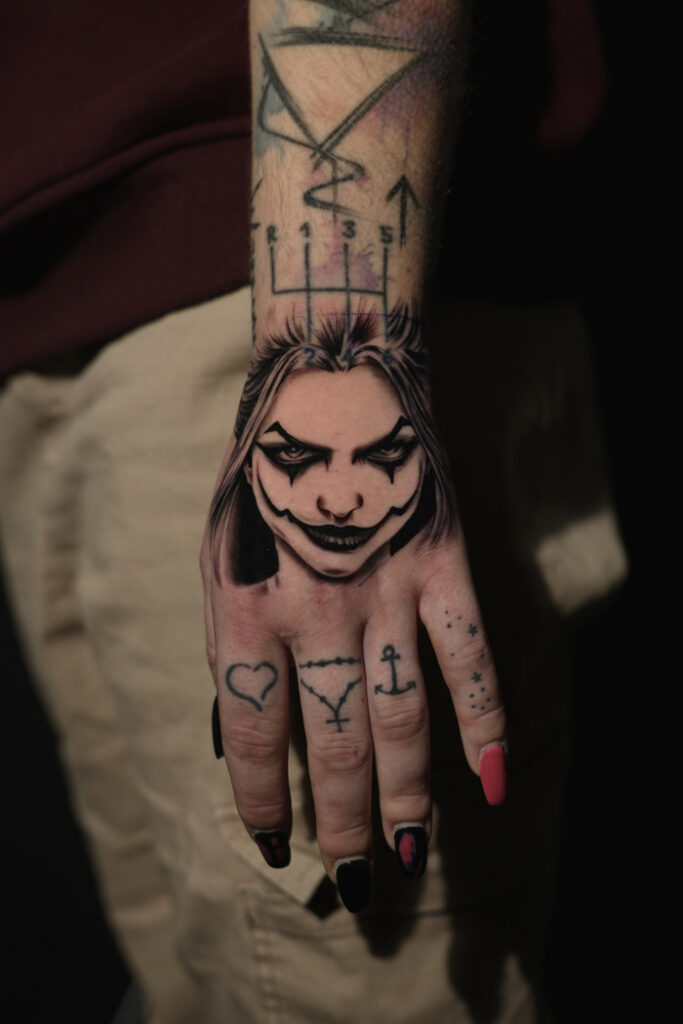
In recent years, tattoos have become more than just an aesthetic trend. Many people use them to express their identity, memories, and inner convictions. Tattoos on sensitive areas of the body are gaining increasing significance. They appear more intense, personal, and often even more expressive. Therefore, not only the design plays a crucial role, but also the conscious choice of the right location.
Some areas are considered sensitive zones. They are popular, but at the same time, they present a particular challenge.
Sensitive areas require more experience, precision, and expertise. The skin is thinner there, the nerves are denser, and some areas are constantly moving or prone to excessive sweating. Those unfamiliar with these characteristics risk serious problems. Health must never be compromised.
That’s precisely why, for sensitive areas, you should choose an experienced tattoo artist in Innsbruck who combines anatomical knowledge, meticulous technique, and the highest hygiene standards. Only then can you achieve not only a beautiful result but also a sense of security throughout the entire process.
Sensitive areas require more experience, precision, and expertise. This article explains what sensitive areas mean when tattooing and what aftercare is important.
What does “sensitive zone” mean in the context of tattooing?
A sensitive zone refers to areas of the body with one or more of the following characteristics:
Thin or very sensitive skin
For example:
- Behind the ear
- Side or front of the neck
- Inside of the upper arm near the armpit
- Inside of the wrist
- Lower eyelid or area around the eye
High density of nerve endings
For example:
Areas close to the bone
For example:
Areas with a lot of movement or friction
For example:
-
Wrist
-
Neck
-
Inner leg
-
Underbust
-
Lower Back
Areas with high humidity or perspiration
For example:
-
Underarms
-
Groin
-
Underbust
-
Back of the knee
-
Between the toes
-
The design is very personal and should remain private.
-
The location looks particularly elegant or aesthetic.
-
The tattoo can be shown or covered depending on the situation.
-
The person associates an emotional connection with this location. Meaning.
For some people, the body part is just as important as the design. It complements the meaning of the tattoo.
How intense is the pain? Reality or exaggeration?
Many people are afraid of pain. That’s understandable.
Everyone experiences pain differently. Nevertheless, sensitive areas usually cause more intense pain. The skin there often lies directly on the bone. Or many nerves run close to the surface.
At Flight of Ink studio, the team analyzes each client’s physical condition beforehand. The studio honestly explains the expected pain level, allowing clients to make an informed decision.
Why is a professional studio so important?
Experience counts when working on sensitive areas. Anatomical knowledge is crucial. Hygiene is paramount.
A professional tattoo artist knows:
- How deep the needle can penetrate in each area.
- Which inks are suitable for thin skin.
- Which designs will last longer with a lot of movement.
At Flight of Ink studio, the team provides each client with a thorough consultation. They discuss the tattoo area, assess the size, and explain the aftercare.
A personal example illustrates the importance of consultation. A client wanted a very small, detailed tattoo on her collarbone. After the consultation, she understood that this area is constantly moving. Fine lines could blur over time. She opted for a slightly larger design. The result remained more stable and defined.
Good consultation makes all the difference.
How do you care for a tattoo in sensitive areas?
Sensitive areas often heal more slowly. They react more quickly to friction or moisture.
Important care instructions:
- Keep the area clean.
- Clean it with a suitable product.
- Apply the recommended ointment regularly.
- Avoid tight clothing.
- Reduce friction.
- Avoid swimming pools and saunas until completely healed.
- Do not scratch. Do not remove scabs.
Ignoring these rules risks discoloration, infection, or scarring.
Who should be especially careful?
Some people should pay special attention to sensitive areas:
- People with very sensitive skin
- People with known skin allergies
- People with a weakened immune system
- People prone to scarring or keloids
- People whose job involves a lot of friction or movement in the area
These people should definitely seek individual advice.
How do the design and size affect durability?
Not every design is suitable for every area.
Many professionals recommend:
Size also plays a role. Very small tattoos lose clarity more quickly. A slightly larger, well-adapted size will maintain legibility for years.
A tattoo is a long-term decision. Especially on sensitive areas of the body, you shouldn’t rush into anything. Good planning protects your skin—and your design.