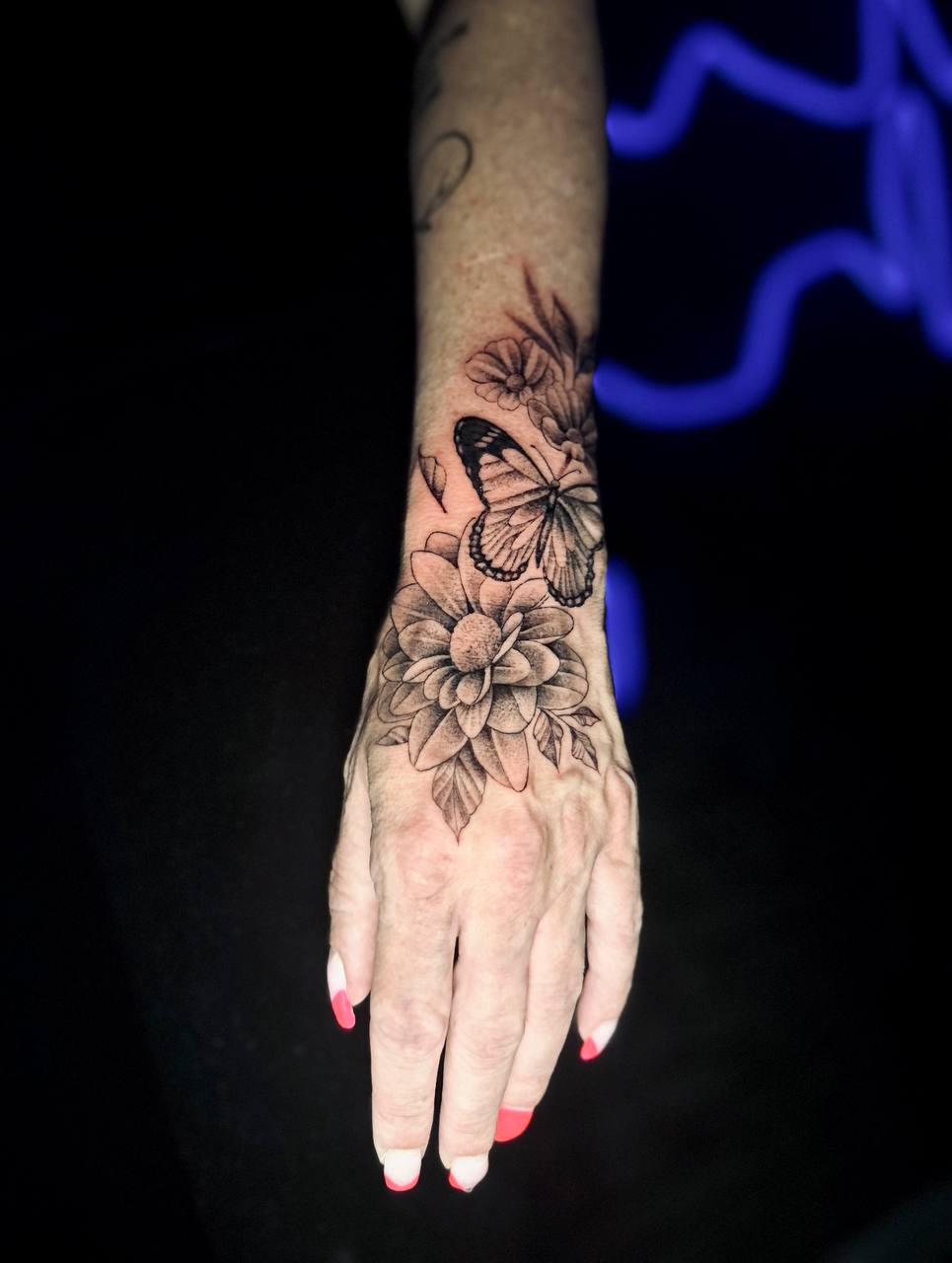
Scientific techniques for pain relief during tattooing
One of the biggest and most frequent concerns of clients is the pain of getting

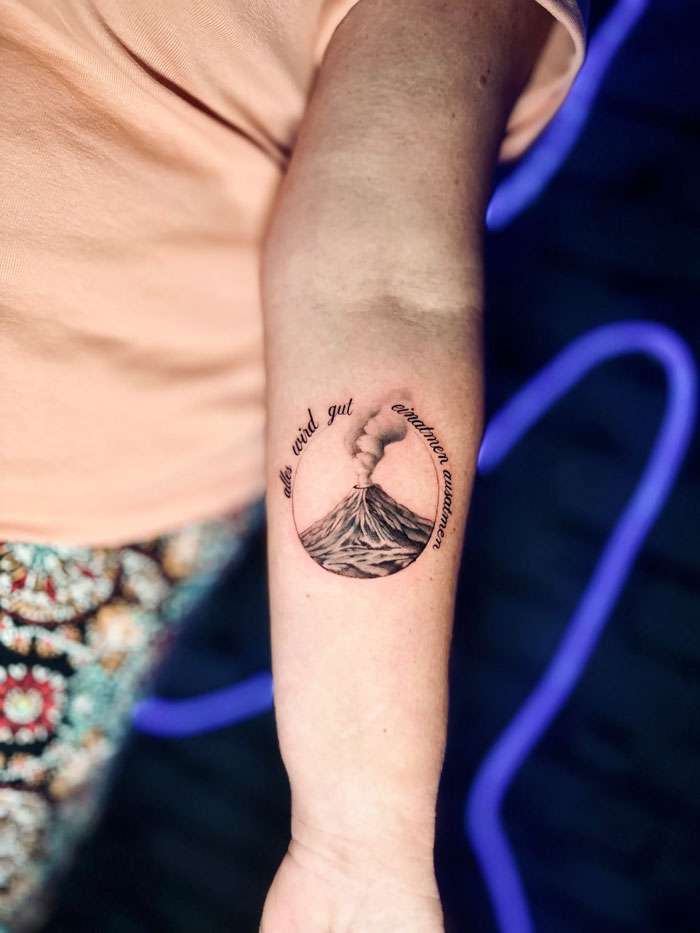
Tattoos have become one of the most popular ways to express personality, identity, beliefs, feelings, and artistic taste in recent years. Today, a tattoo is more than just a picture on the skin; it’s a language. But can everyone get a tattoo, or are there health and legal restrictions that need to be considered?
This language can tell life stories, important memories, values, or personal transformations.
Thanks to technological advancements, improved equipment, safer inks, and strict hygiene standards, tattooing has evolved into a precise, professional, and artistic process. In many countries, including European countries like Austria, tattooing is subject to clear health and medical regulations. Physical condition, skin health, and overall health play a crucial role in ensuring the safety of this process.
Many people believe that anyone can get a tattoo without any problems. However, this assumption is incorrect. Certain physical conditions, illnesses, or medications can make tattooing dangerous, prohibit it, or necessitate medical consultation.
This article discusses in detail tattoo contraindications, the legal regulations in Austria, and important hygiene measures.
During tattooing, color pigments are introduced into the dermis, the middle layer of skin, using a sterile needle.
This process can:
The risk can increase significantly if you have pre-existing medical conditions or are taking certain medications.
Infections, allergic reactions, or severe bleeding can occur.
Therefore, a medical examination before getting a tattoo is very important.
Hygiene and safety regulations for tattoos are very strict in Austria. Every professional tattoo studio in Innsbruck must:
Note:
According to the regulations of the Austrian Ministry of Health, tattooing is prohibited for people with certain health problems without a medical examination.
People with serious heart conditions or blood clotting disorders such as hemophilia should not get a tattoo.
Reasons for this are:
In people with poorly controlled diabetes, the skin heals more slowly.
The risk of infection is increased.
Other risks include:
Case study:
A customer in Innsbruck wanted to get a tattoo on his arm despite having uncontrolled diabetes.
The experienced team at the Flight of Ink tattoo studio recommended that he first stabilize his blood sugar.
After his condition improved, the tattoo was later applied safely and without complications.
People with active hepatitis B or C should not get a tattoo.
Reasons for this are:
People with weakened immune systems or severe allergies to dyes or metals should not get tattooed without consulting a doctor.
Possible risks include:
You should not get a tattoo if you have a fever or are suffering from an acute illness.
The immune system is weakened in these conditions.
Hinweis:
Postponing the appointment until full recovery significantly reduces the risk of infection.
If the desired tattoo area is affected by eczema, dermatitis, open wounds, or inflammation, the tattoo must be postponed.
Reasons for this include:
Individuals taking blood thinning or immunosuppressant drugs must consult a doctor before getting a tattoo.
Possible risks:
Professional tattoo studios in Austria, like Flight of Ink in Innsbruck, place great importance on the health of their clients.
They:
This approach protects the health of clients.
It reduces complications.
It makes the tattoo experience safer and more enjoyable.
In Austria, individuals under 18 years of age are not permitted to get a tattoo.
Even parental or legal guardian consent is not sufficient.
Tattoo studios are required to:
For a safe tattoo, please observe the following points:
One of the biggest and most frequent concerns of clients is the pain of getting
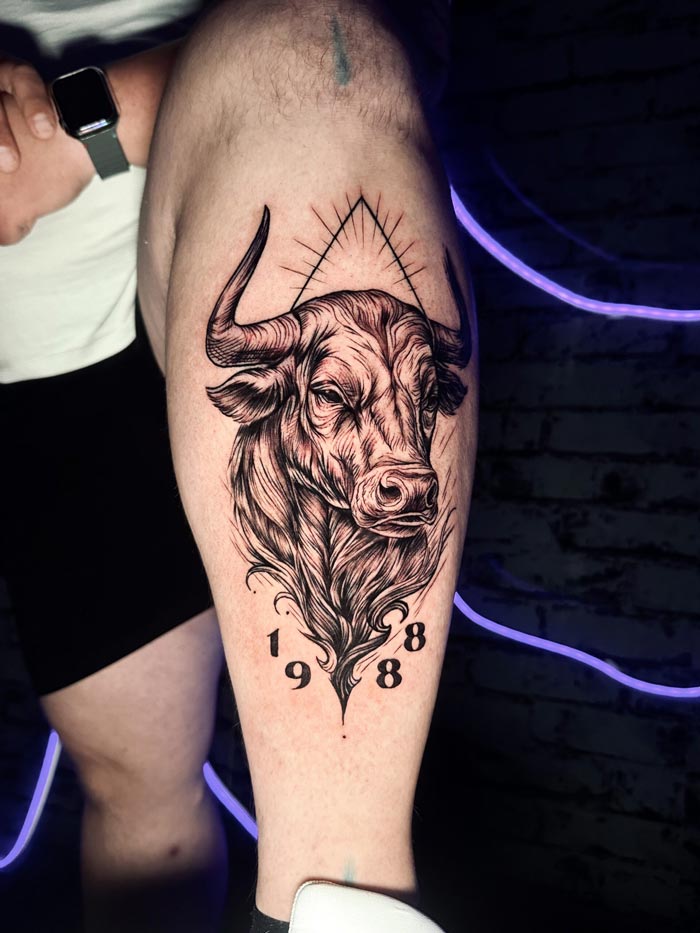
A tattoo is a work of art on the skin. During the tattooing process, needles
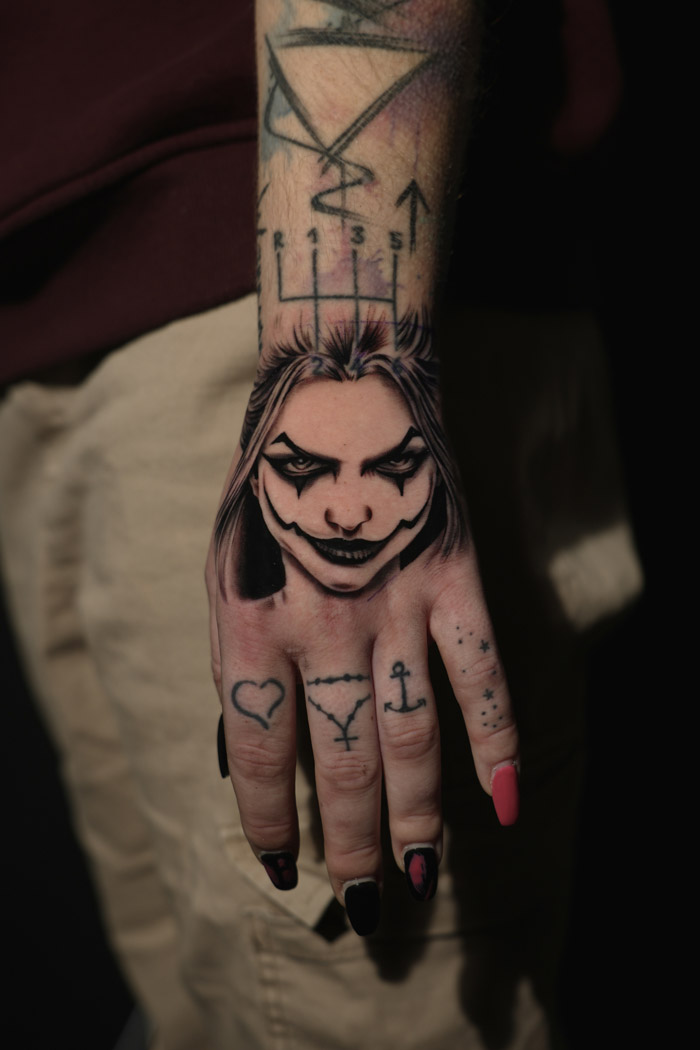
In recent years, tattoos have become more than just an aesthetic trend. Many people use